
HIP PAIN
What Causes Hip Pain?
Hip pain can develop from a variety of factors, including muscle weakness, mobility restrictions, overuse, sports injuries, repetitive strain, or age-related changes within the joint. Because the hip plays a key role in walking, running, lifting, and everyday movement, even small limitations can have a significant impact on comfort and performance. In many cases, the source of pain may not be the hip itself but rather surrounding muscles, movement patterns, or load management issues. A thorough assessment helps identify the underlying cause and guide the most effective treatment approach.
What Are the Most Common Symptoms?
Hip pain can present as aching, stiffness, sharp discomfort, reduced mobility, or pain during walking, running, squatting, or prolonged sitting. Some individuals experience discomfort in the front, side, or back of the hip, while others notice symptoms that extend into the groin, thigh, or lower back. Pain may gradually worsen over time or become more noticeable during physical activity.
Can Physiotherapy Help Hip Pain?
Yes. Physiotherapy can be highly effective in managing hip pain by identifying contributing factors and addressing the root cause of the problem. Treatment focuses on improving mobility, restoring strength, enhancing movement quality, and reducing stress on the affected tissues. A structured rehabilitation programme can help improve both daily function and physical performance.
How Does ELEVA Treat Hip Pain?
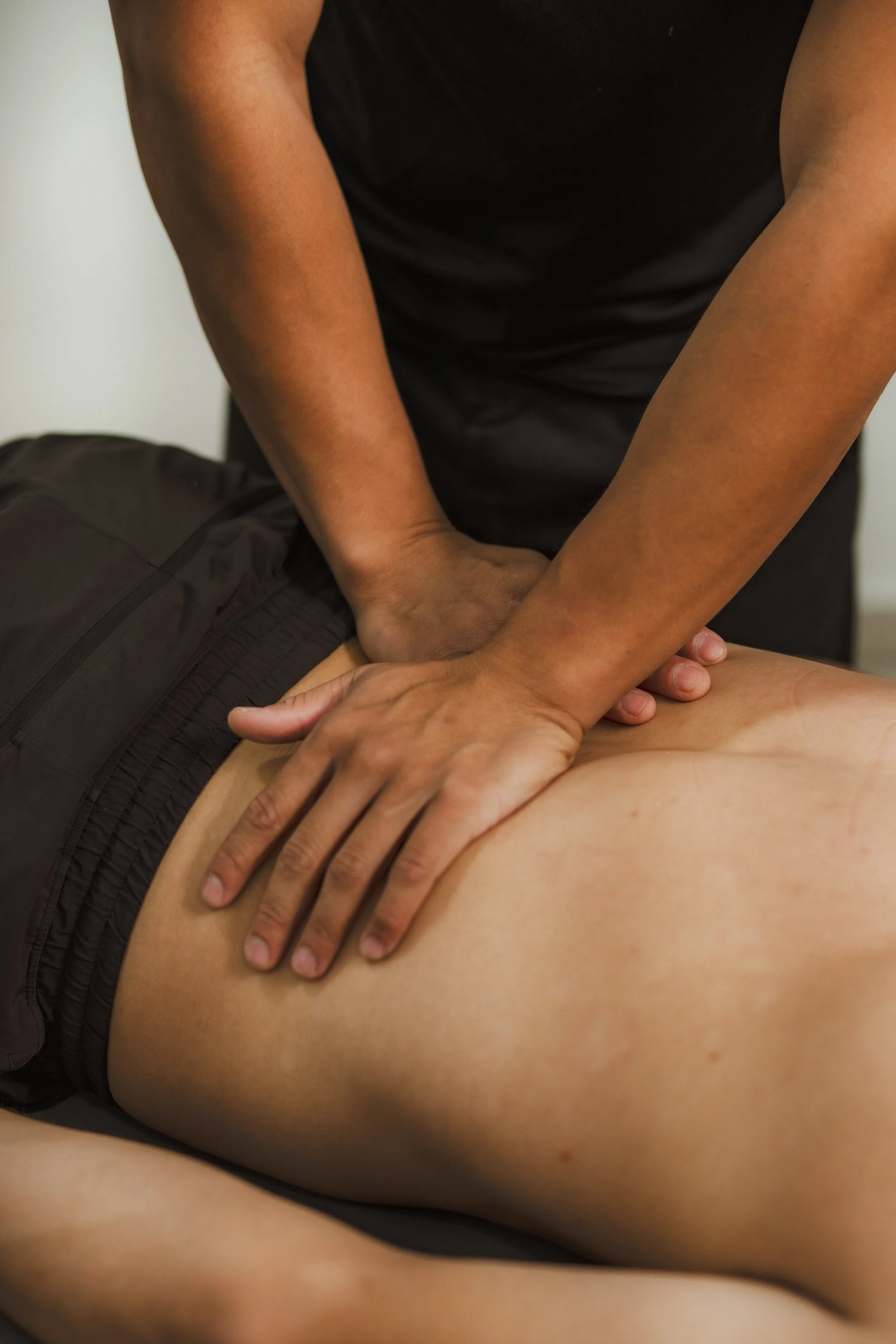
At ELEVA, treatment begins with a detailed assessment of your movement, strength, mobility, and symptoms. Depending on your condition, treatment may include hands-on therapy, mobility exercises, strengthening programmes, movement retraining, load management strategies, and education designed to support long-term recovery. Every treatment plan is tailored to your individual goals, lifestyle, and activity level.
When Should I See a Physiotherapist?
If hip pain is affecting your ability to walk, exercise, train, sleep comfortably, or participate in daily activities, it may be time to seek professional guidance. Early assessment can help prevent symptoms from becoming more persistent and support a faster, more effective recovery.
How Long Does Recovery Take?
Recovery time varies depending on the cause of the problem, the severity of symptoms, and individual factors. Some people experience improvement within a few weeks, while others may require a longer rehabilitation programme. Following a structured treatment plan can help restore movement, reduce pain, and improve long-term hip health.

START YOUR RECOVERY
Whether you're recovering from an injury, managing ongoing pain, or working toward a specific performance goal, ELEVA provides personalised, evidence-based care with a clear plan from day one. Book your assessment and take the first step toward lasting results.